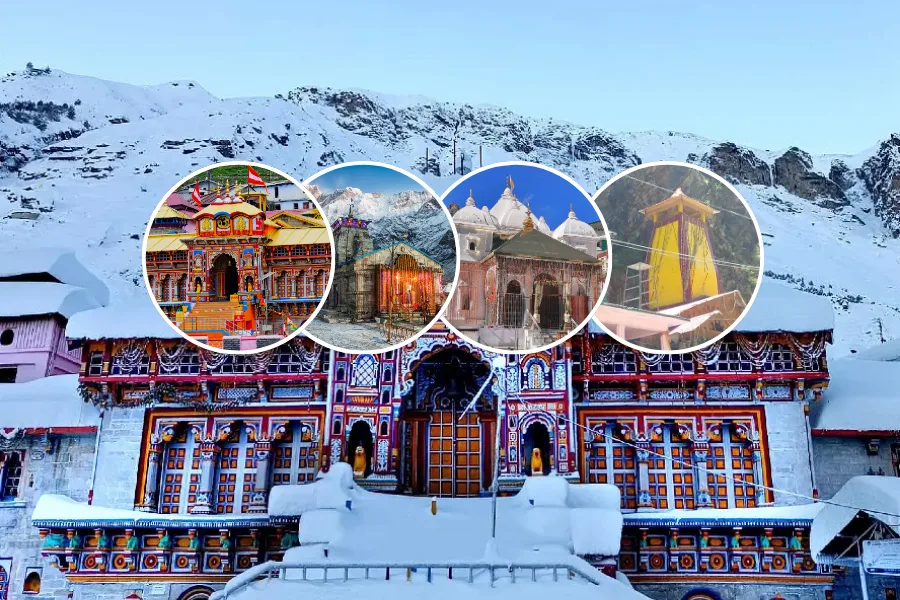
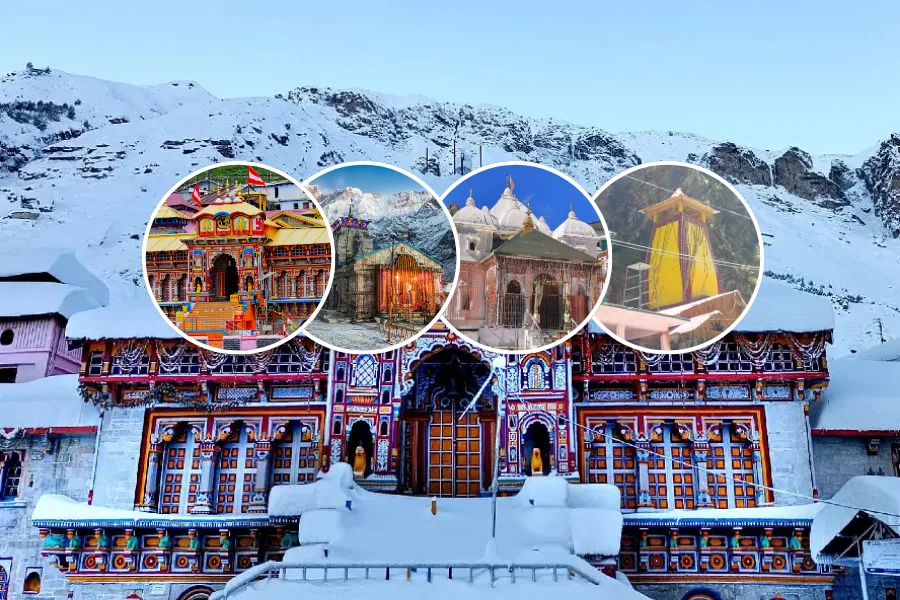
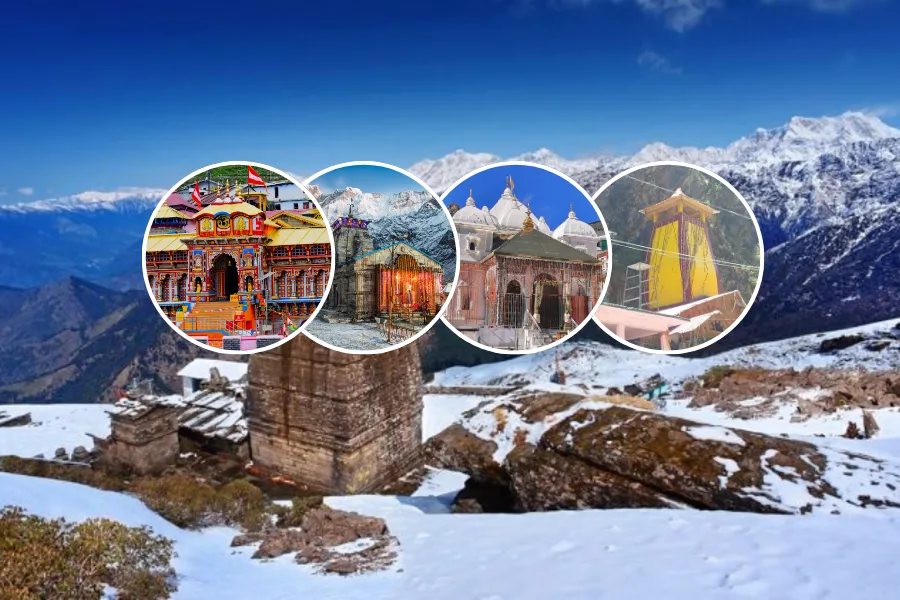
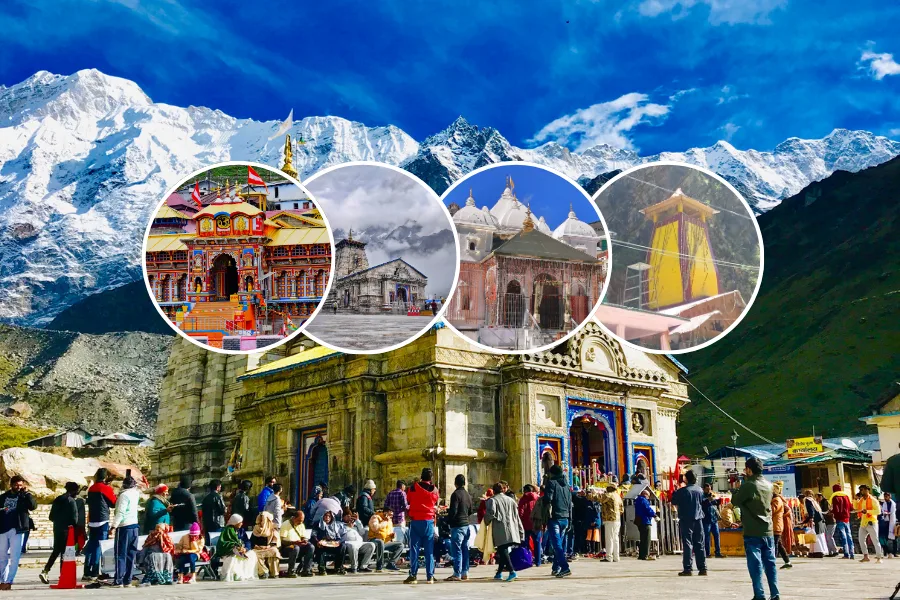
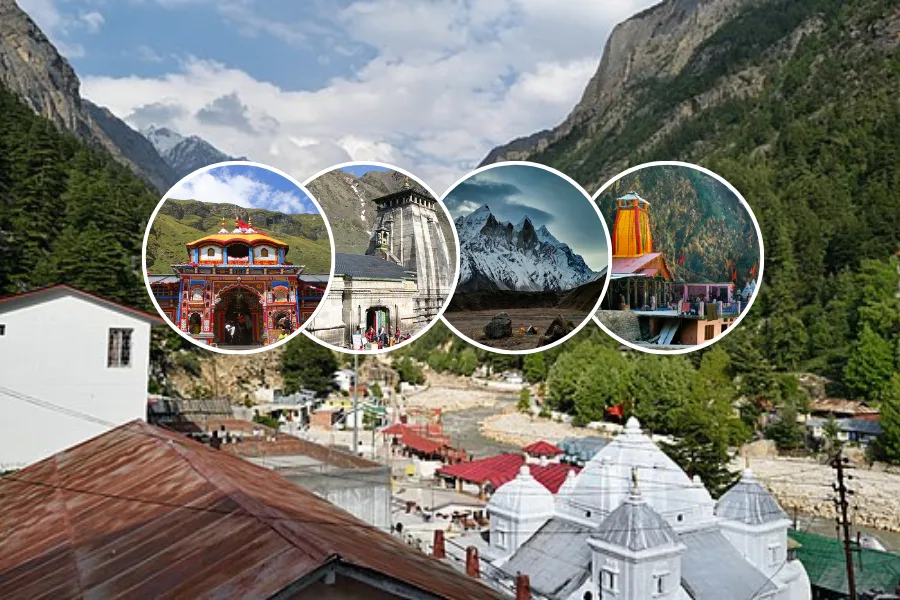
The ultimate destination for a hindu devotee is the char dham yatra. Known for its auspiciousness and the cleanser of sins. It consists of four major temples: Kedarnath, Badrinath, Gangotri, and Yamunotri. All these four temples are dedicated to Lord Shiva, Lord Vishnu, the Ganga River, and Yamuna, respectively.
All these temples have their Historical and Mythological backgrounds, which helps a devotee understand the significance and importance of each temple. Those spiritually inclined would want to visit Uttarakhand Char Dham temples to feel the peace and tranquillity it has to offer.
Badrinath Temple Guide
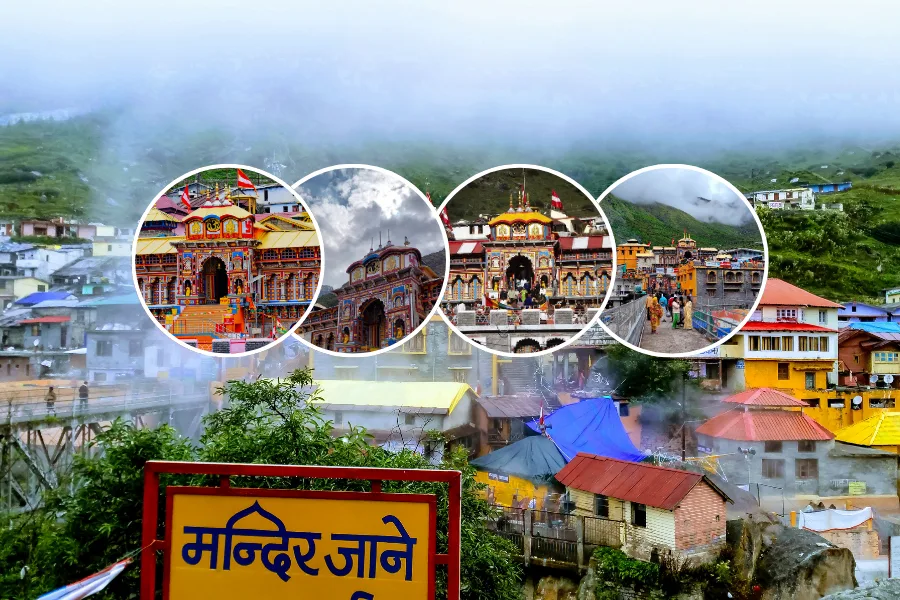
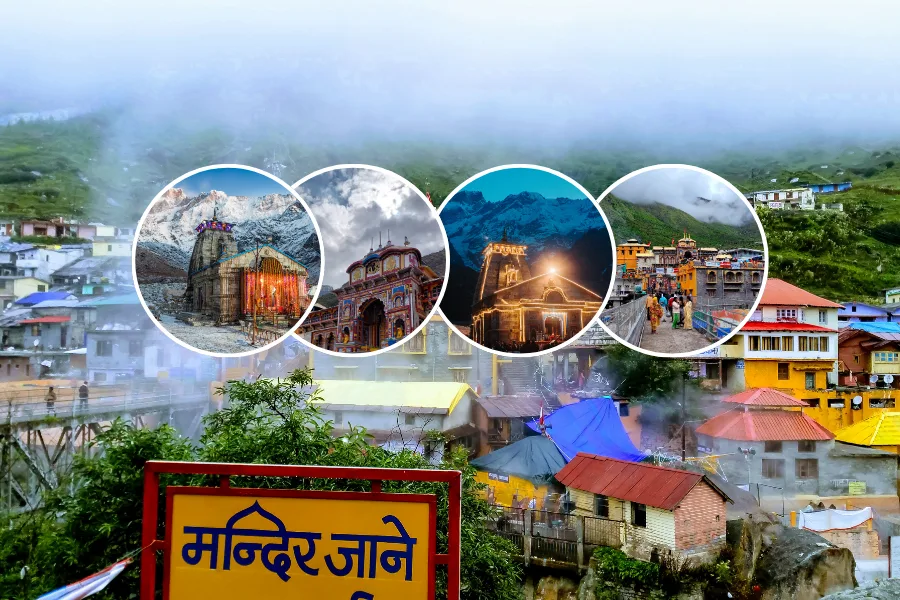
The Badrinath temple is a Hindu temple dedicated to Lord Vishnu. The temple is believed to have been established by sage Adi Shankaracharya in the 8th Century. It is located at an elevation of 3,100 meters on the bank of river Alaknanda. The temple is one of the holiest places, known to cleanse the sins of the people who take a holy dip.
The History And Architecture
The history of the temple can be traced back to the Vedic era and is mentioned in various Hindu scriptures. According to the legends, it is said to have been revived by the Garhwal kings in the current location in the 16th Century. The temple has undergone various renovations since then, playing a key role in its maintenance.
The Badrinath temple has been constructed in the Pawar style. It has three structures: Garbhagriha, Darshan Mandapa, and Sabha Mandapa. The temple is built of large stone slabs and features a multi-tier roof, with a Shikara tower in the centre.
Mythological Importance And Rituals
The Badrinath temple's significance lies in its mythological background. It is said that Goddess Lakshmi turned into a Berry tree to protect lord Vishnu from the harsh weather of the Himalayas. One more myth connected to Badrinath is that Pandavas passed through the temple during their journey to the afterlife in Mahabharata.
The daily rituals of the Badrinath darshan include Aartis, Abhishek, Alankara, Bhog, Shri Vishnu Sahastranama Stotra and Nityam Niyam. Pilgrims typically take a dip in the Tapt Kund, which is believed to cleanse people from their sins and purify them. The temple timings are from 6 AM to 12 PM and 4 PM to 9 PM.
The ideal times to visit Badrinath are from May to October. The temple is closed from October to April as they are cold months of the year. It opens as per the Hindu calendar from Akshay Tritiya and closes around Bhai Dooj.
Kedarnath Temple Insights
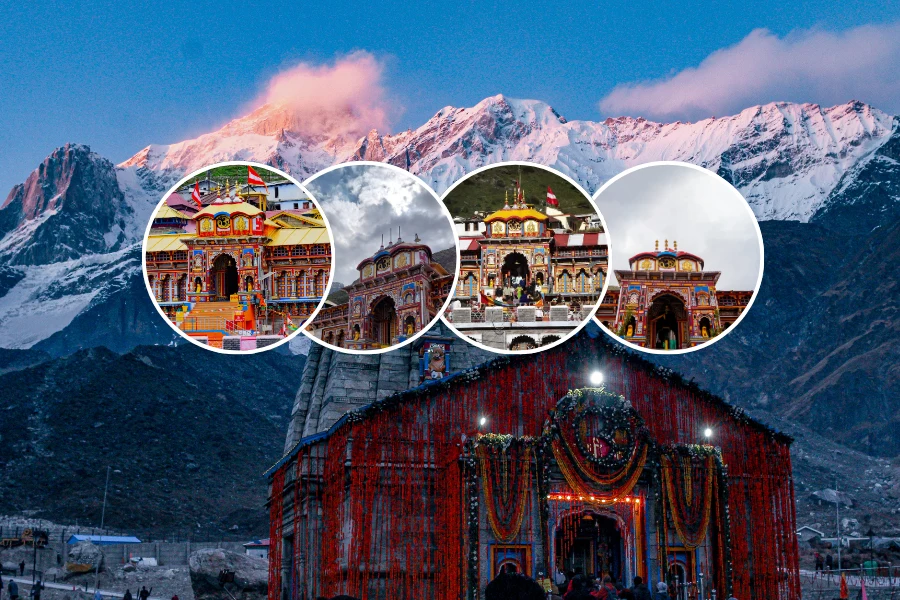
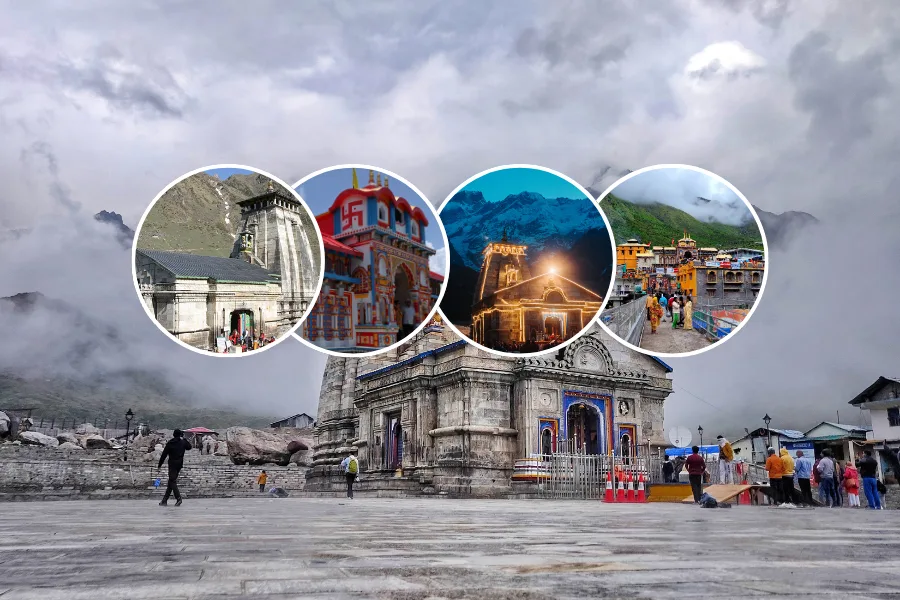
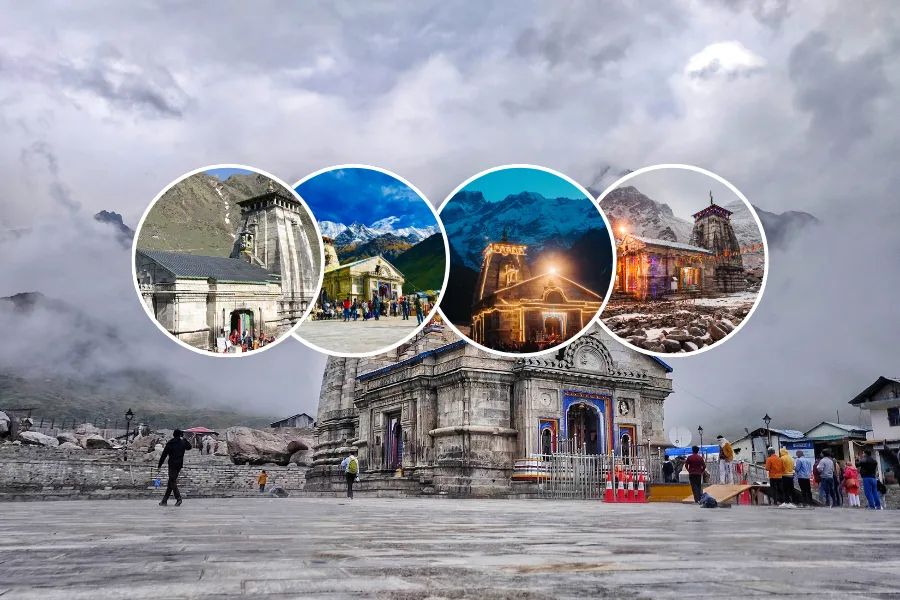
Kedarnath is not just a temple but a testament to unwavering faith. It is believed to have been constructed 1,200 years ago. Its roots are deeply intertwined with the epic of Mahabharata and is considered to have been built by the Pandavas. It is one of the twelve Jyotirlingas, the pious shrine of Shiva. Visiting this shrine is considered to bring immense spiritual enlightenment.
History And Spiritual Significance Of Kedarnath
Devotees believe that during the afterlife journey of the Pandavas, while seeking forgiveness from Lord Shiva for killing their cousins. The Pandavas thought the hump of a bull to be disguised as Shivling, leading it to become Shiva’s ultimate shrine, which over time disappeared into the ground. Although the current temple is relatively new, the site is believed to be a place of worship, even before Mahabharata.
Although the history of the Kedarnath temple is very rich, the spiritual significance of the temple is undeniable. Devotees believe that Lord Shiva attained his highest consciousness at Kedarnath. Also, considering the history of Pandavas, people believe the place to be highly pious and ask for forgiveness for their transgression.
Kedarnath Trek And Travel Tips
The Kedarnath Dham is located in the Rudraprayag District in Uttarakhand. It is at an altitude of 3583 meters above sea level. The road trip to Kedarnath ends at the GauriKund. From there, one has to reach the temple on foot for 16 kilometres, which takes about 6 to 8 hours. If that is not feasible for the devotee, one can opt for helicopter services from Guptkashi.
The trek to Kedarnath is rather beginner-friendly and has a lot of scenic beauty to wander during the hike. The trek begins at GauriKund, followed by Rambara, a scenic place surrounded by dense forest shadowed by snow-capped mountains. Five hundred metres uphill, one will reach the Bhairavnath temple, known to protect the Kedarnath valley, a great place to have a bird’s eye view of the valley.
At the 7-kilometre distance, one will reach the Vasuki Tal; it is said that Lord Vishnu used to bathe in it. Gandhi Sarovar is located at a distance of 3 kilometres from Kedarnath, where the ashes of Mahatma Gandhi were immersed. Kedarnath Trek is considered to be one of the most beginner-friendly and spiritual experiences.
The best time to visit Kedarnath is during the Summer season. Since winter months get very cold for people to travel to a cold destination, and the months of monsoon might result in landslides. It might hamper your journey.
Gangotri The Origin Of Ganga
Ganga, originating from the great Himalayas, is considered the most pious river of all. It is known for the spiritual cleansing of the soul from the sins. People visit Gangotri and take a holy dip into it to purify themselves. It flows from the Himalayas, starting as Bhagirathi and reaches the Bay of Bengal at the end.
Religious Importance And The Journey
Ganga is seen as a source of divine grace and forgiveness. Bathing in Ganga is considered as purification of the soul, which helps people achieve Moksha. The Hindus believe that immersing the ashes of a deceased in the water helps them direct passage to heaven. The well-known Kumbh Mela, which is held every 12 years, is considered to cleanse people of their sins.
The river Ganga originates from Devprayag, at the convergence of Bhagirathi and Alakananda. It is believed that the Bhagirathi is the source of Ganga. It flows from Haridwar, providing them the source of irrigation, followed by merging with other tributaries, like Yamuna, Gomti, Ramganga, etc. The river continues its Eastward journey up till it meets the Bay of Bengal.
Gangotri Yatra And Nearby Attractions
There are many tourist attractions near Gangotri, apart from being a religious site. One can visit places like Gomukh Glacier, The Submerged Shivling, Nandanvan Tapovan, Kedartal, Ganganani, Harsil and many more. These places, often referred to as spiritual, are also attraction places for tourists who want to find peace, tranquillity and adventure at the same time.
Gomukh Glacier
Situated in the Uttarkashi district, it is a popular pilgrimage site and trek destination. The Glacier is said to resemble the mouth of a cow. Hence, it is named as Gomukh. A trek to Gomukh is popular among both pilgrims and adventure seekers. The Glacier is associated with King Bhagirath’s penance, which brought the river Ganga to Earth.
The Submerged Shivling
It is a Shivling near Gangotri temple, which is primarily submerged but appears during the winter season as the water level decreases. It is also associated with King Bhagirath, who is believed to bring Ganga to Earth. Lord Shiva took the river in the matted locks of his hair, and the Shivling is its symbol.
Kedartal
This emerald-green lake is a visual treat for nature lovers and adventure seekers. The route is quite difficult, considering most of the destinations, and is refreshing for the hard trekkers. A place where one feels rejuvenated and satisfied while surrounded by the snow-capped mountains. There are many such places to visit during your journey to Char Dham yatra. But a visit to Kedartal is worth the trekking and hiking.
Yamunotri Temple And The Thermal Springs
Yamunotri temple is a sacred site and known for its thermal springs. People visit the temple and seek the blessings of goddess Yamuna to avoid untimely death. Devotees believe that Yamuna is the sister of Yama(God of Death), and seeking her blessings can help them avoid it. The Surya Kund, where the hot springs come from, is considered to be miraculous, and devotees cook and consume prasad.
Yamunotri, Just like Gangotri, is considered to be a holy river by the people of the Hindu religion. People take a dip into the river to wash away their sins and attain liberation. People also worship the Divya Shila, which is a rock placed outside the temple, before seeking blessings from Yamuna. The river Yamuna is believed to originate from the Yamunotri Glaciers.
Route Maps And Pilgrim Itineraries
The route for Char Dham yatra typically starts from Haridwar or Rishikesh. Passing through Barkot, Uttarkashi and Guptkashi on the way to Kedarnath and Badrinath. It is a distance of 1607 kilometres. The journey to Yamunotri and Kedarnath required trekking. However, some sources say helicopter services are also available.
The typical route starts from Yamunotri to Gangotri, leading to Kedarnath and then Badrinath. Most of the routes drive the devotee through roads only Yamunotri And Kedarnath require one to trek for 7 km to 15 km, respectively. The itineraries for pilgrims include a tour of 9 days, providing a round trip back to the base camp.
Health And Safety Tips For Pilgrims
These temples are located at a higher altitude. A person visiting the char dham for the first time should give themselves some time to adjust to the atmosphere. People who have motion sickness or any medical condition should carry a medical kit.
Avoid consuming raw or uncooked food. Only consume water from bottled water. Consider travel insurance for medical emergencies. Pack warm and layered clothes, waterproof gear and trekking shoes. Be aware of personal belongings and valuables. Always travel with a group of people or guide and have an emergency contact number available with you.
Pilgrimage With Family Tips And Advice
While travelling with your family, carry food, water and a medical kit. One can avoid the majority of the travel issues by carrying the basics with them. Plan the trip well in advance and book accommodations as well. It helps the trip to be easy moving and doesn’t lead to last-minute hassles. Opt for medical and travel insurance for the trip to make sure your family is sound and safe.
Advance accommodation planning is important during peak seasons. Considering it well in advance will provide a comfortable stay without the discomfort of weather and crack a good deal with the hotels, Dharamshala or lodgings.
One should also bring a valid ID card, Yatra E-Pass, travel tickets, and any hotel booking confirmation. It is also recommended that a digital copy of these be carried in case the hard copy gets misplaced.
Local Food And Cuisine Of Uttarakhand
The two regions of Uttarakhand are famous for two cuisines: Garhwal and Kumaoni cuisine. Rabri, chaas, khadi and Arsa are some of the popular dishes. It is also famous for its thali, which is known as Nabha thali. There is a lot of variety that one can get during their journey. But these are the few dishes Uttarakhand is famous for.
Kafuli is a local dish made with green leafy vegetables, served with gravy made from rice or wheat paste and water. It is mostly enjoyed with steamed rice. Also, one should not miss out on the local sweet called Bal Mithai, a fudge to give yourself a sweet treat during the visit.
Cultural Insights: Local Festivals
There are a few significant festivals celebrated here from May to October. The richness of this place lies not just in its spiritual aspects but also in the festival's celebration. Some of the festivals celebrated locally are Badri-Kedar Utsav, Phool Dei Festival, Makar Sankranti, Krishna Janmashtami and Diwali. The major celebrated festivals are the Badri-Kedar festival and Ganga Dussehra.
Badri-Kedar And Ganga Dussehra
Badrinath and Kedarnath festivals celebrate the opening and closing ceremonies of the temples. Another festival called Kedarkhand is celebrated and held in the Kedarnath region. It is celebrated with music, dance and elaborate rituals.
Ganga Dussehra, on the other hand, honours the river Ganga. The festival generally falls in June, during which the devotees flock around the river offering prayers and rituals. Cultural programs and spiritual discourses are held at the ghat while local artists display their art.

 9 Nights / 10 Days
 3 Nights / 4 Days
 11 Nights / 12 Days
 9 Nights / 10 Days
 6 Nights / 7 Days
 3 Nights / 4 Days
 4 Nights / 5 Days
 7 Nights / 8 Days
 9 Nights / 10 Days
 11 Nights / 12 Days