Nepal is known for its spiritual purity and historical background. Most of the famous ancient temples are situated here. Pashupatinath, Muktinath, and Boudhanath temples are famous for them. A Nepal temple tour includes visiting most of the famous temples and other pilgrimage destinations. Nepal is an attractive place for tourists to see the beauty of villages and adventures.
Nepal Temple Tour: A Spiritual Retreat
On the Nepal temple tour, one can cover various spiritual places and explore the most famous temples in South Asia. Many pilgrims from different countries visit here to seek divinity. During festival seasons, the temples are filled with worshippers. Darshans like Pashupatinath darshan and Tihar are important festivals there.
The country's cultural background is related to religious etiquette. The architecture is marvellous and helps to understand the history and heritage. Apart from that, Nepal pilgrims and tourists come here to explore this beauty.
Major Temples In Nepal
Here is the list of major Nepal pilgrimage temples.
-
Pashupatinath Temple
-
Janaki Temple
-
Guhyeshwari Temple
-
Sheshnarayan Temple
-
Dakshinkali Temple
-
Patan Krishna Temple
-
Doleshwar Mahadev Temple
-
Muktinath Temple
-
Changu Narayan Temple
-
Bindhyabasini Temple
-
Manakamana Temple
-
Jak Narayan Temple
Pashupatinath Temple: The Soul Of Kathmandu
Pushpanath temple is one of the UNESCO heritage sites in Nepal. It is the largest temple complex in Nepal, stretching both sides of the Bagmati River. These are the most important spiritual destinations dedicated to Lord Shiva. It is known as the Shiva temple in Nepal. Most of the time, the temple is overcrowded. People come here to die with a peaceful mind and cremate in the Bagmati River. In Hinduism, it is believed that those who died in this temple are reborn regardless of any misconduct.
The temple is a two-story building made with copper and golden roofs. The wooden sculptures and golden statue of Nandi make the temple more beautiful and help to make wishes come true. Only Hindu followers can enter the main temple. All other buildings are allowed to foreign visitors. There are many sacred buildings with the deity of Shiva.
Pashupatinath Temples History
Pashupatinath Temple is believed to have been built in 400 A.D. Due to the destruction of the former complex, the existing complex was built in the 17th century. One of the legendary stories behind this temple is related to Lord Shiva and his wife. They went to the Bagmati River and were amazed by the beauty. So, they change into deer and wander in the forest. Shiva refused to return to his duties, and he lost one of his antlers. Thus, the Hinduists started to worship the lingam.
Visit To Pashupatinath Temple
The temple is open from 4 am to 9 pm. At noon, the temple will close till 5 pm. The best time to visit is early morning and evening. Pashupatinath Temple guide says that it will take one or two hours to complete a darshan.
Since the place is always overcrowded, the best way to get to the temple is by using the local Kathmandu bus. Also, it would be better to use taxi services from the hotel. Be careful of unnecessary costs for taxi drivers.
Muktinath Temple: Sacred Pilgrimage In The Himalayas
Muktinath Temple is one of the Himalayan temples situated 3500 meters above sea level. The temple is famous among Mustang sacred sites that are dedicated to Lord Vishnu. Most pilgrims to the Muktinath temple tour are from India. Apart from Shri Vishnu, there is the idol of Saraswati Mata and Laxmi Mata.
In the temple, Shri Vishnu appears as a sacred stone because he deceived his devotee, Tulasi. He had to spend his whole life as Shaligram shila (sacred stone) because of this reason.
Shri Vishnu performed penance in the Muktinath temple for self-purification. After his hard meditation, he gets salvation from Shaligram Shila form, and then he becomes God of the Muktinath temple. This is the famous myth believed by Hinduists.
How To Reach Muktinath Temple
To reach Muktinath temple, travelers have to head to Pokhara first. Pokhara is situated on the western side of Kathmandu and is almost 200 kilometers in the distance. There are four routes to reach Muktinath Temple from Pokhara.
-
Through charter helicopters: it takes 35 minutes.
-
20 minutes of flight to Jomsom and 45 minutes of drive to the temple.
-
Adventurous jeep travel of 197 km.
-
7 to 8 days of trekking starting from Nayapul, one hour drive from Pokhara.
The Best Time To Visit Muktinath Temple
The peak season to visit the temple is in September, October, and November. The good weather after the monsoon makes hiking easier and gives a beautiful view of the mountains. March, April, and May are also suitable for temple visits because of their moderate climate. During June, July, and August, the road trip to the temple will be difficult because of the rain. In Nepal, high mountain trekking is prohibited during winter. There will be helicopter services for darshan.
Janaki Mandir: The Iconic Sita Temple
Janaki temple was built in the 19th century. This temple is important for religious people because it is believed to be the birthplace of Sita. Sita is the wife of Lord Rama. Vivah Panchami is a well-known festival here, and it is a celebration of the marriage of Sita and Lord Rama. Ganga Saga Dhanusha Sagar is situated near the temple. The visitors of Janaki Mandir also bathe here. Another attractive factor in the place of Janakpur is the markets containing traditional crafts and local cousins. The temple is also known as Nau Lakha Mandir, indicating the cost of construction.
Architectural Beauty Of Janaki Manthir
The Janaki mathir is Known for its white marble. The style of the building is a blend of Mughal designs and Hindu themes. The whole complex is built with stones. The storied building and sixty rooms are available in the 4860 square feet area. All rooms are decorated with Nepali flags. Mithila paintings, glass paintings, and carved walls keep the beauty of the temple. These paintings are stories from Ramayana.
The Religious Importance Of Janaki Manthir
The story of the Sita temple in Nepal is related to Ramayana. It is one of the Ramayana temples. King Janak, father of Sita, ruled the Janakpur; Sita was born here. During Swayamvar of Sita, King Janak announced that whoever breaks Shiva’s bow can marry her. Lord Rama married Sita, and thus, he got Janakpur. So, the temple, also known as The Janaki temple, stands for the love story of Lord Rama and Sita.
Festivals In Janaki Mathir
Ram Navami and Vivah Panchami are the famous festivals in this temple. The Panchami Vivah festival is related to the marriage of Sita and Lord Rama. This marriage is the most heralded of Hindu marriages. The ceremony happens every first week of December. Rama Navami is the celebration of the birth of Lord Ram. It is happening in April. Even though the festivals are happening in December and April, the Janaki Temple darshan is in the months between October and March.
Exploring The Spiritual Depth Of Swayambhunath
Swayambhunath temple is well known for its enlightenment and spirituality. The most iconic Buddhist temple in Kathmandu is situated on the top of a hill in Nepal. Even though the temple is known for its Buddhist worship, Hindus also come to worship here. The temple has many names, like Swayanbhnath Stupa and Monkey temple, because monkeys inhabit the surroundings of the temple. The temple can be seen from a 360-degree view of the Kathmandu valley.
Significance Of Swayambhunath
Here are some significance of the Swayambhunath temple in Nepal.
-
The most revered Buddhist pilgrimage sites.
-
Harmony between people of Hindus and Buddhists.
-
It is one of the UNESCO World Heritage sites.
-
The temple is also referred to as the Symbol of enlightenment.
The best time to visit the temple is from March to May and September to November. There is no entry fee to the temple. Since the climate of these months is suitable for better travel, the number of monkeys surrounding the temples will also increase. So, always take care of travelers' belongings.
Stories Of Monkey Temple
The story has two folds. According to Buddhism, Lord Buddha planted a lotus in the deep Lake. After some days, Sawayambhu was born out of the lotus. He cut a gash in the banks of the river with a sword, and thus, the valley of Kathmandu formed. Hindu people believe that instead of Buddha, Lord Vishnu plants the lotus, and Brahma comes out of it. This is the reason both Hindu and Budhha pilgrims give the same importance to the temple.
Manakamana Temple: Fulfilling wishes
Manakamana Temple in Nepal is a Hindu worshipping temple where thousands of people come to sacrifice animals. The temple is dedicated to Goddess Bhagwati. The word Manakamana means wish fulfillment. The tradition of offering animals to sacrifice, especially goats is part of this fulfilling wish.
The temple is located in Gorkha district of Nepal. Transportation to Gorkha is easier, either by bus or minivan. The best and only way to reach the temple from Gorkha is through cable car. It was built in 1998. Cable cars are available every day from 8 am to 5 pm, and there will be breaks from 12:00 to 3:30 pm. For devotees, it is better to visit on weekdays to avoid crowds.
Experiences Of Devotees
Manakamana Temple is a wish-fulfilling temple where devotees experience various traditions at this sacred Nepal site.
-
Devotees believe that their wishes will come true.
-
People come to temples to seek blessings, educational success, financial blessings, and having a child.
-
The ritual here is offering animals or any item to the deity.
-
The atmosphere of the temple has a divine connection.
-
Some devotees believe they saw the Goddess move.
-
Devotees come here to get blessings from the priest.
-
Sati tradition was also related to this temple.
Dakshinkali Temple: Goddess Kali’s Power
In the spiritual Nepal tour, Dakshinkali temple is known for its culture and traditions. The temple is dedicated to Goddess Kali, one of the Kali temples in Nepal. The statue of the Goddess having four arms standing on anybody indicates light over darkness. A devotee of the Goddess Kali built this temple in 1855.
The devotees want to make Goddess Kali happy, so they will sacrifice innocent animals for her. There are stalls beside the temple where people can buy and do rituals. According to the Dakshinkali temple guide, this ritual happens twice a day, on Tuesdays and Saturdays three times per day. After the sacrifice, the animals are surrounded by seasons from inside the temple. Then, people can cook food with the animal. But some Goddess Kali worshippers oppose the rituals.
Boudhanath Stupa: Peace And Spirituality
Boudhhanath Stupa in Nepal is the world's largest Stupa. The Nepal Stupa tour is famous all over the world. The whole complex is approximately 6756 square meters. It is the largest one because the diameter of the dome is 100 feet, and 141.16 feet tall. It is listed as a UNESCO World Heritage site, so it is one of Kathmandu’s Buddhist sites.
The Boudhanath temple provides a serene environment for various reasons.
-
Peaceful environment.
-
The white dome and stupa’s designs.
-
Buddhist pilgrimage site.
-
Mindful Buddhist practices.
-
The streets and surroundings are also very quiet and calm.
Prayer Wheels
The meditation and pilgrimage ritual of this stupa is walking clockwise through a path called Kora. There are many prayer wheels in the temples. All the firsts are medium-sized and fixed on the walls of the stupa. While meditating around the stupa, they will turn the prayer wheel. The wheel contains many mantras carved on it, and some others are written on paper put inside the wheel. These mantras give happiness and welfare to the devotees.
Suggested Itineraries For Nepal Temple Tour
In the Nepali pilgrimage tours, the travel should be well planned. The Nepal temple tour is a spiritual Nepal journey that covers most famous temples. Also, one needed to participate in the traditions and rituals there. Here are 9 days of Nepal temple itineraries.
-
Day 1: Arrive at Kathmandu
-
Day 2: Kathmandu to Janakpur
-
Day 3: Janakpur to Chitwan
-
Day 4: Chitwan to Pokhara
-
Day 5: Pokhara to Jomsom
-
Day 6: Muktinath
-
Day 7: Jomsom to Pokhara, then to Nagarkot
-
Day 8: Nagarkot to Bhaktapur
-
Day 9: Departure at Kathmandu
Festivals In Nepal Temples
Nepal is a country with many temples and various kinds of festivals. These festivals are Nepal religious events that happen every year. Maha Shivaratri, Vivaha Panchami, and Buddhist festivals are famous.
Maha Shivaratri
The most famous Nepal temple festival takes place in the Pashupatinath Temple. It is the celebration of the birthday of Lord Shiva on the new moon day of February or March. Pashupatinath Shivaratri became popular because of its spectacular view of the temple and surroundings. Devotees come here from various countries, especially from various corners of Nepal and India. The people crowded there will bathe in the Bagmati River.
Vivaha Panchami
It is the celebration of the wedding of Goddess Sita and Lord Rama. This special event happens in Janakpur. The festival happens in late November or early December. The celebration indicates the deep love and marital reasons of Sita and Lord Rama. This legendary marriage is important in the story of Ramayana, so it is celebrated.
Losar
Losar is known as Tibetan New Year and is held in Swayambhunath and Boudhanath Stupa. During this season, the stupas are filled with decorations of prayer flags. Traditional art forms will be performed here. The exchange of New Year greetings is common in these festival periods. This festival will mostly be held on the 15th of Falguni.
Buddha Jayanti
Buddha Jayanti is the birthday of Buddha. This is also known as Vesak. Buddhists will gather in the Swayambhunath and Boudhanath Stupa to commemorate the birth of Buddha. The stupas will be decorated with flags and lamps. During this celebration, the surroundings are filled with chants and lamps.
Best Time To Visit Nepal Temples
Spring and autumn are the best Nepal temple seasons. From March to April and from September to November are the best times for Nepal pilgrimage. Good weather tempts visitors to call here. The moderate temperature makes visitors comfortable to do their rituals. The clear skies and dry weather in autumn are good for sightseeing. Nepal travel guides promote this season for Pilgrimages.
In the monsoon season, heavy rain causes fewer crowds. Prices are comparatively lower during monsoon season, but it is not the best time. Travelers have to carry raincoats and waterproof products to make their belongings safe. Should be aware of slippery grounds. In winter, at higher altitudes, the visitors ready to adapt to cold temperatures can visit Nepali temples. But the landscape will have clear views.
Spiritual And Cultural Practices In Nepal Temples
Nepal has Hindu and Buddhist temples, so the spiritual and cultural practices will be a blend of both. People pray from the temples and offer different items to the deity. Some of the spiritual and cultural practices are listed here.
-
Pujas in Kathmandu temples are happening daily. Devotees come to temples to pray.
-
Rituals in Nepal temples include offering incense to deities and walking around the temple.
-
Budhha Jayanti and Shivaratri are celebrated in the temples.
-
There are animal sacrifice practices, especially in Manakamana Temple.
-
Remove footwear before entering the temple.
-
Do not point towards sacred items.
-
Dress appropriately during Nepal’s sacred practices.
-
Inside the temple, food should be touched with the right hand and touched by people with the left hand.
-
Giving sweets, money, and gifts to children inside the temples is discouraged.
Photography Tips For Temples In Nepal
Photography is allowed in the temples of Nepal for research and prospects. Respecting the sacred places and items while doing Nepal temple photography is compulsory. Here are some Nepal travel guides who suggested sacred site photography tips for best clicks.
-
Research the complete details of the temple before going for the photography.
-
Morning and evening views give the best pictures.
-
Enquire temple authorities for permissions.
-
Respect the elements of the temples.
-
Do not interrupt rituals while taking photos.
-
Give more importance to architecture, paintings, and surroundings of the temples.
-
Including devotees in rituals will be helpful.
-
Capture temples with the beauty of the Himalayas.
Sustainable Pilgrimage Practices In Nepal
The adventure destinations and trekking challenge the ancient temples and various cultures of Nepal. Eco-friendly is essential for sustainable pilgrimage. Everyone should be aware of eco-friendly travel tips.
-
Stay in homestays and respect local customs.
-
Promote cultural understanding by engaging with their traditions and festivals.
-
Make purchases from local businesses.
-
Share ideas of sustainability practice with others.
-
Avoiding the removal of waste during trekking can reduce environmental impact.
-
Use trash for the removal of waste.
-
Youngsters can with join with local cleaners and also have fun with them.
-
Carry reusable products in the baggage.
-
Try maximum to avoid the use of plastics.
-
Follow Nepal temple etiquette properly.
Accommodation Guide For Nepal Temple Tour
Even though the concept of temple travels is the same for spirituality. But the accommodation facilities differ from personal choices. Some prefer to stay in homestays or budget-friendly hotels, but some others prefer luxury hotels. All kinds of accommodations are available near Nepal temples.
Hotels Near Pashupatinath Temple
A list of famous hotels near Pashupatinath temple is here.
-
Pashupati Boutique Hotel & Spa
-
Kailash Kuti Inn
-
Hotel Nilakantha
-
Hotel Amravati
-
Hotel Dip Jyoti
-
Hotel Dine & Dream
-
Hotel paua Kathmandu
-
Nirvana Guest House
-
Hotel Nirakar
-
Hotel Badrinath
Accommodations In Mustang
The top ten accommodations in Mustang are here.
-
Hotel Grand Shambala
-
Hotel De Purang
-
Hotel Dancing Yak
-
Paniram Inn Mustang
-
New NeeruGuest House
-
Lo Mustang Himalayan Resort
-
Hotel Muktinath
-
Hotel The Royal Mustang
-
Paradise Trekkers Home
-
Hotel Siddharth
Nepal Spiritual Stays
Nepal is famous for spiritual retreats, including Yoga and meditation. Bagmati province in Kathmandu Valley is a well-known place for these retreats. Other places like Pokhara, Namo Buddha, and Lumini also have budget-friendly and luxurious accommodations. Vipassana Meditation Center and Osho Tapoban are meditation centers in Kathmandu valleys.
Local Cuisine To Explore On A Temple Tour
To make the sustainable pilgrimage, one should experience traditional Nepali cuisines. Food is one factor in the culture of a region. Various areas of Nepal have various cuisines. Dhal Bhat is famous in one region and momos is famous in another region. Chatamari, Newark Khaja set, and Samy Bhaji are famous Nepal temple tour foods.
Must Try Items In Pashupatinath
Pashupatinath temple is a famous temple in Nepal. Every pilgrim must reach there. There are some foods near Pashupatinath that one should try.
-
Dal Bhat
-
Momo
-
Bara
-
Sel Roti
-
Yomari
-
Aloo Tama
-
Chatamari
-
Samosa
-
Gundruk
-
Thukpa
Mythological Stories Of Nepal’s Sacred Sites
Every temple in Nepal has legendary stories. The pilgrims come and worship the deity of temples because of the mythology of Nepal temples. The religious people understand the importance of temples with the mythological stories and come to seek that divinity directly.
Legends Of Pashupatinath Temple
There are stories based in this temple. One is the Shiva legends in Nepal. Lord Shiva transfers to a deer and wanders around the Bagmati River. He refuses to return to his duties. While fighting with God, he lost one of his antlers. This antler is worshipped as linga in the temple.
Another story is a farmer found a Shiva Linga on his cow. He believed that it is incarnation of Kamadhenu. The last story is Pandavas went to Pashupatinath after Mahabharata war. Lord Shiva forgives them for their sins. So Pandavas built a Shiva lingam there to worship.
Legends Of Janaki Manthir
This is a Nepal story of Sita. King Janaka got a child when he ploughed his field. It is believed that this child is Sita. King Janaka raised this girl as his daughter. Later, a temple was built in the birthplace of Sita. People come here to worship Goddess Sita and her husband Lord Rama.
Legends Of Muktinath Temple
There are many stories behind this temple. This place is believed to be one of the fifty one bodies of Sati fallen. Also, Lord Vishnu performed penance here to purify himself. Hinduism believes the war between Lord Shiva and King Jalandhar happened here.
Nepal Temple Tour For Families
The temples in Nepal are family friendly. If anyone is planning a family temple tour in Nepal, good planning is needed. Nepal temple tours with kids are also practicable with appropriate preparation. The only challenges that face are change in weather conditions and long walks.
Here are some tips for family-friendly travel and accommodations for religious travel in Nepal.
-
Involve all family members for all activities.
-
Proper acclimatization.
-
Updated knowledge on weather conditions.
-
It is better to have a travel guide.
-
Due to unpredictable weather conditions, pack all essential things to adapt in any weather.
-
Drink lots of water.
-
Carry all essential medicines.
-
Maintain hygiene.
-
Respect and follow temple etiquettes.
-
Choose family-friendly accommodations.
-
Use other picnics other than temples.
Trekking And Temples: Combining Adventure And Spirituality
Nepal temple tours are for spirituality. To reach some temples apart from transportation, people will choose trekking. The adventurous trekking to the temples gives another experience with inner peace. One of the adventure pilgrimages in Nepal is trekking to Muktinath temple.
Trekking To Muktinath
It is not a difficult trek, so people choose trekking to reach the temple. The temple is 3800 meters above sea level. It takes 6 to 10 days to reach the temple. The best season for trekking is March to May and September to November. There are Teahouse lodges for stay in between the travels. This sacred trekking route starts from Jomson to Muktinath through Kagbeni village.

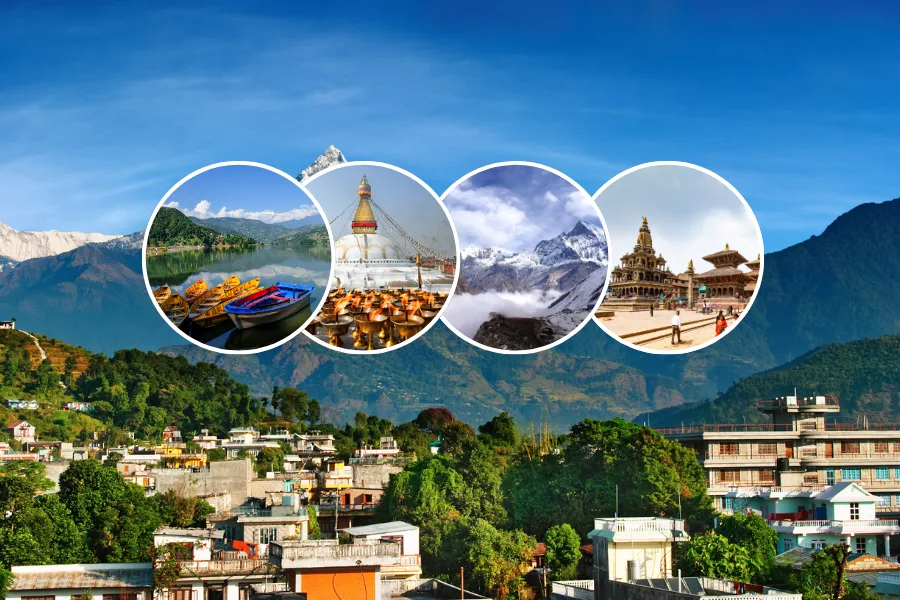 8 Nights / 9 Days
 3 Nights / 4 Days
 8 Nights / 9 Days
 8 Nights / 9 Days
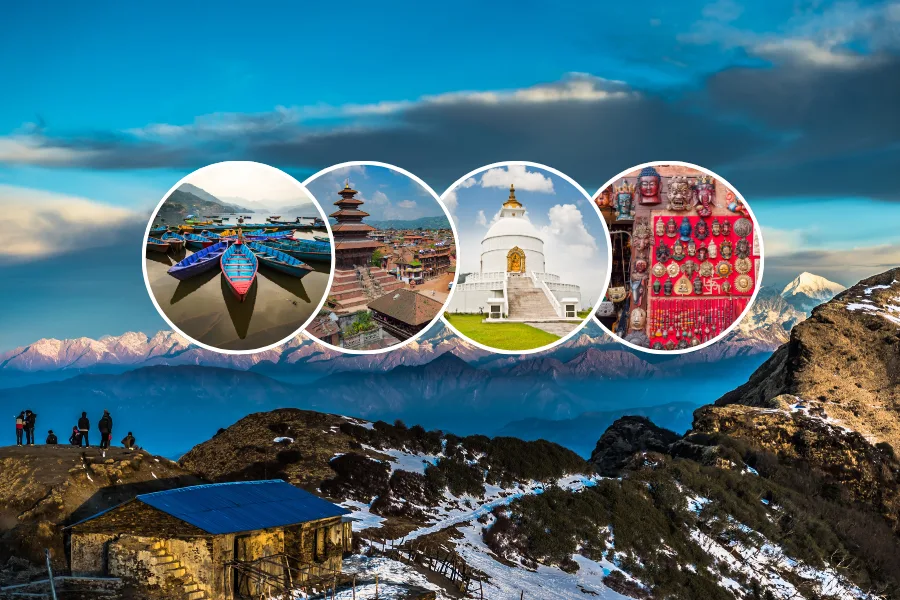 4 Nights / 5 Days
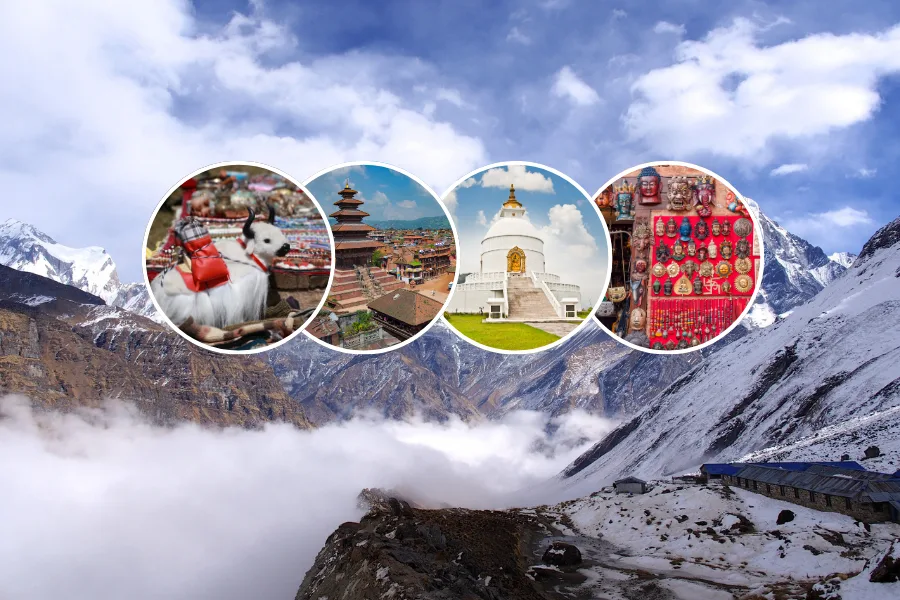 8 Nights / 9 Days
 8 Nights / 9 Days
 8 Nights / 9 Days
 5 Nights / 6 Days
 3 Nights / 4 Days
 3 Nights / 4 Days
 4 Nights / 5 Days