
 4 Nights / 5 Days
Manimahesh Yatra Package
Tranding Manimahesh Yatra Package Packages
Manimahesh Yatra Package
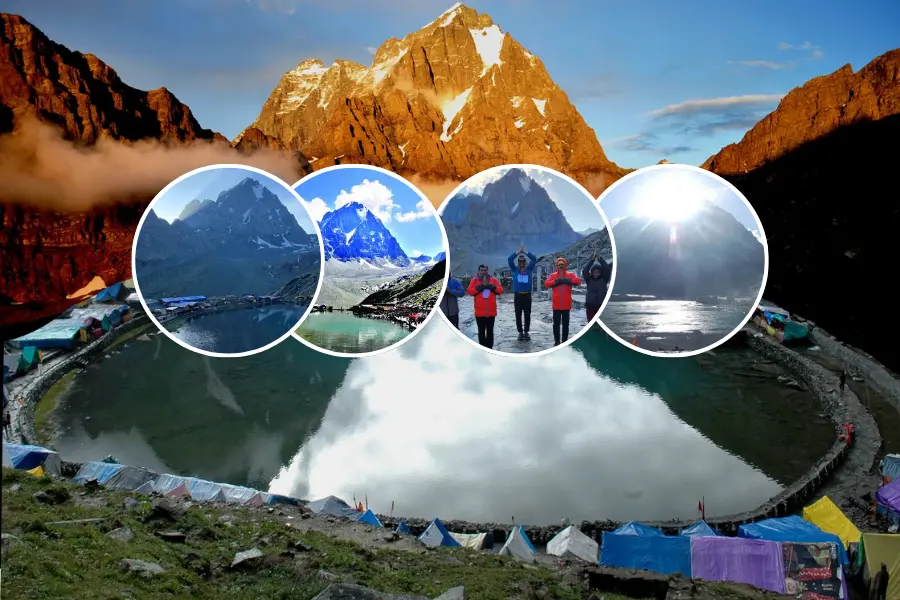
The Manimahesh Yatra is a Kailash of Himachal in the Chamba district of Himachal Pradesh. This is also known as Chamba Kailash. The significance of Manimahesh is that devotees come here to get blessings from Lord Shiva. The journey starts from Pir Panjal to Manimahesh Kailash Peak through Manimahesh Lake. This place is known to be the house of Lord Shiva. There is a jewel in the crown of Lord Shiva, and sometimes its reflection can be seen in the Lake as a significance of Manimahesh Kailash.
According to the Manimahesh Yatra guide, the significance of Manimahesh is its trekking. Manimahesh trek takes 5 to 6 days to finish because it is 4080 meters high above sea level. The trek is the toughest one in India. Hadsar and Kugti are the main routes for the trek. Thousands of Hindu religious people from all over India come here. The seasonal period starts from the festival of Janmashtami and ends on Radha Ashtami.
The Mythology Of Manimahesh Kailash
The legends and mythology o...
The Manimahesh Yatra is a Kailash of Himachal in the Chamba district of Himachal Pradesh. This is also known as Chamba Kailash. The significance of Manimahesh is that devotees come here to get blessings from Lord Shiva. The journey starts from Pir Panjal to Manimahesh Kailash Peak through Manimahesh Lake. This place is known to be the house of Lord Shiva. There is a jewel in the crown of Lord Shiva, and sometimes its reflection can be seen in the Lake as a significance of Manimahesh Kailash.
According to the Manimahesh Yatra guide, the significance of Manimahesh is its trekking. Manimahesh trek takes 5 to 6 days to finish because it is 4080 meters high above sea level. The trek is the toughest one in India. Hadsar and Kugti are the main routes for the trek. Thousands of Hindu religious people from all over India come here. The seasonal period starts from the festival of Janmashtami and ends on Radha Ashtami.
The Mythology Of Manimahesh Kailash
The legends and mythology of Manimahesh Kailash make it sacred. There are many myths behind Manimahesh. Lord Shiva is accompanied by Goddess Parvati and resides here. Sometimes, a glow appears from the peak of the mountain where Lord Shiva himself appears. The word Manimahesh means the jewel of Shiva in his crown.
Creation Of Manimahesh Kailash
In the Himachal Kailash story, Lord Shiva created Manimahesh Kailash to reside after he married Goddess Parvati. He meditated on this mountain for many years. No one can climb to the peak of the mountain. Those who tried were only failed. The belief is that celestial forces guarded the peak of the mountain, so people couldn't reach there.
Manimahesh Lake
Manimahesh Lake is located near Manimahesh Kailash. People who come here bathe in the Lake to get rid of their sins. They also believed that Lord Shiva himself bathed in the Lake. A Shiva Lingam is floating in the Lake. It is believed to be the manifestation of Lord Shiva. During the season of Kailash Yatra, Lord Shiva will come down.
A Shepherd Turns Into Stone
It is a mythology of Manimahesh, a shepherd attempting to climb Kailash. He defied Lord Shiva's supremacy and started to climb the sacred peak. But divine forces intervened, and he turned into a stone with his sheep. People believed that weather at peak changes according to the heart of the devotees. If a traveller has a pure heart, the mountain will covered with clouds. If a sinner comes, the mountain hides behind the mists.
The War Between Vishnu And Shiva
In the Himachal Kailash story, once a war happened between Lord Vishnu and Shiva. After the war, Vishnu understood the divine Power of Shiva and bowed in front of Shiva. Thus, Lord Shiva became the God of Manimahesh Kailash. There is a temple of Vishnu near Manimahesh Kailash.
Gauri Kund And Shiva Kund
Gauri Kund and Shiva Kund are two small waters in Manimahesh Kailash. Goddess Parvati bathes in the Gauri Kund, whereas Shiva bathes in the Shiva Kund. So that during pilgrimage, men bathe in Shiva Kund and women take ablution from Gauri Kund. Through this mythology of Manimahesh, married couples will come here to get a spiritual and happy life.
Routes To Manimahesh Lake
There are two primary Manimahesh trekking routes to go to Manimahesh Lake: Hadsar and Kugti. Bus transportation and taxis are available from Chamba to the Bharmour Yatra route, Hadsar, and Kugti.
-
Hadsar route: 13 kilometre hike from Hadsar to Manimahesh Lake. The trek is through forest, terrain and wonderful sceneries.
-
Kugti route: compared to Hadsar, it is a difficult path. As it is lengthier, it is recommended for experienced hikers.
Manimahesh trekking route from Hadsar to Manimahesh Lake:
-
Four to five hours of walk from Hadsar to Dhancho.
-
It is six to seven hours of climbing from Dhancho to Manimahesh Lake.
Best Time To Visit Manimahesh
The best time for the Manimahesh Yatra is from August to September. The actual time starts with Krishna Janmashtami and ends with Radha Astami.
In Summer
From May to June, the weather is cool and pleasant for the Himachal Yatra season. So this is the best time for Manimahesh to trek and explore areas. The scenic beauty of the mountains will be exposed during this season. The local temples near the Manimahesh have a pleasant climate for Pilgrimages.
In Monsoon
From July to September, Manimahesh's weather is cool. It will be difficult for trekking because of the heavy rain that happens occasionally. So, the landscape became slippery. The temperature in this season is moderate. This season is the best time for Manimahesh Kailash Yatra.
In Winter
From October to April, the climate is harsh and cold. The area became inaccessible because of heavy snowfall. Travelers are not recommended to visit Manimahesh Kailash during this season. During October, the climate is suitable for photography and exploration of the region. The best time for Manimahesh weather exploration is in October. There will be clear skies, but gradually, the temperature will drop.
Trekking To Manimahesh: A Complete Guide
The Manimahesh Yatra takes 15 to 20 days and begins on the Shri Krishna Janmashtami yearly. The trekking is moderate, but when altitude increases, the trekking becomes difficult. The beautiful landscape, streams, and wildlife sanctuary are scenic views when travelers are trekking. Good fitness is required for sacred Manimahesh trekking. The factors that make the trekking difficult are:
-
High altitude
-
terrain paths are on sacred Manimahesh trekking.
-
Elevation and distance of the trekking paths
-
Not having proper acclimatization
-
Sudden change in weather
To tackle these challenges of sacred Manimahesh trekking, there are some tips that one should know before planning Manimahesh trekking. Here is Manimahesh's trek guide:
-
Good physical fitness
-
Experience in trekking
-
Appropriate clothes and shoes for Himachal trekking Yatra.
-
Always keep hydrated
-
Ensure medical fitness before trekking
-
Choose comfortable weather for trekking.
Spiritual Significance Of Manimahesh Kailash
Manimahesh is considered one of the sacred abodes of Lord Shiva. The name of Manimahesh itself translates to the jewel of Shiva on his crown. This jewel symbolizes the divine Power. In the Shiva Kailash trek, the pilgrimage first goes to Manimahesh Lake to bathe and then to Manimahesh Kailash. This Lake is believed to have been created by Lord Shiva. So, pilgrims, when they bathe in the Lake, their souls get purified.
This mountain is considered as the residence of Lord Shiva. After the marriage of Lord Shiva with Goddess Parvati, Shiva created this mountain. This is because the mountain became sacred for the Himachal spiritual Yatra, and devotees come here. Pilgrims believe that they can only see the mountain when Shiva is pleased with the devotees.
Itinerary For Manimahesh Yatra
Those who are interested in travelling to Manimahesh should know about the travel packages. The itinerary for Manimahesh Yatra is important to note down. Here is the list of Itineraries for the Manimahesh Yatra.
-
Day 1: 6 hours of drive from Pathankot to Bharmour
-
Day 2: 6 hours of trekking from Bharmour to Brahmani Temple
-
Day 3: 13-kilometer Jeep travel to Hadsar
-
Day 4: 7 kilometres of trekking from Hadsar to Dhancho
-
Day 5: 14 kilometres of trekking from Dhancho to Manimahesh Lake
-
Day 6: Trekking from Manimahesh Lake to Manimahesh Kailash
-
Day 7: Trekking down to Hadsar and a drive to Chamba
-
Day 8: From Champa to the hotel for stay and then return to home
Follow the itinerary for Manimahesh Yatra for future travels.
Manimahesh Lake: The Sacred Jewel Of The Himalayas
During the midway of the Manimahesh Kailash Yatra, travellers can see Shiva Lake in Manimahesh, which is situated in Budhik Valley. It is one of the sacred lakes in Himachal. In the annual travel of Manimahesh Kailash Yatra, the devotees will dip and bathe in the river. Manimahesh Lake guides pilgrims to believe this will recover them from sins and purify them.
Spiritual Significance Of Manimahesh Lake
Shiva Lake in Manimahesh is considered one of the abodes of Lord Shiva. Because Manimahesh Kailash's reflection can be seen in the water. Pilgrims believe that a dip in the water makes them purify and get divine blessings. After bathing, they will do Parikrama, circling the Lake three times. Then, devotees will worship the marble image of Shiva at the corner of the Lake.
Beauty Of Manimahesh Lake
Apart from the reflection of Manimahesh Kailash, there is also a reflection of snow-capped mountains. During summer, the view of Shiva Lake in Manimahesh will be of green meadows. This makes the Lake beautiful for tourists. The Lake also provides peace and divinity.
Mythological Connection To Manimahesh Parikrama
Manimahesh Parikrama guides spiritual journeys to reconnect with inner self and divinity. This trekking route is through Kugti Village and back to GauriKund and Dhancho. No one can reach the peak of Manimahesh mountain; it is still a mystery. The story of a Shepherd who tried to climb there and transformed into a stone to defy Lord Shiva. Also, a snake had a similar experience. It rejected Lord Shiva's supremacy and attempted to reach the peak of the mountain. The weather signals devotees to grant blessings.
Preparation For The Manimahesh Yatra: Essentials
There are many tips for preparation for the Manimahesh Yatra. The tips include packing and essentials for a trek in Himachal and a sacred journey checklist. Here are the essential tips for preparation for the Manimahesh Yatra.
-
Make sure to take thermal clothes.
-
Trekking shoes are important.
-
Prepare for rainy conditions. Take rain gear.
-
First-Aid Kit and medicines are essential.
-
Enough food items and water.
-
Start exercise two to three months before the journey.
-
Do cardio exercises as well.
-
Build mental strength for high-altitude trekking.
-
Improve the motions while exercising to reduce the risk of injuries.
-
Take time for acclimatization.
-
Drink plenty of water.
-
Always updated about weather conditions.
-
Travel with a group rather than individually.
-
Ensure medical fitness.
-
Registration for the journey and trekking permits.
Health And Acclimatization Tips For Manimahesh
In Manimahesh trek health guides, physical fitness is important. One should have healthy and trek health guides for the trekking. For trekking, acclimatization is needed on various points for a further healthy journey. Here are some trek health guides.
-
Take a rest in Bharmour before starting the trek.
-
Avoid rushing and take enough time for activities.
-
Stay hydrated in trek health guides.
-
Regular exercise will help you to become physically fit for trekking.
-
Build mental endurance.
-
Ensure medical fitness by consulting a doctor.
-
If there are any early symptoms of altitude sickness, immediately seek help from rescue medications.
-
Make every moment by understanding the physical conditions of the body.
Cultural Highlights Of Bharmour
Bharmour is situated in the Chamba district of Himachal Pradesh. It is referred to as 'the land of Gods'. The place is known for its spiritual significance. Through the annual Manimahesh Kailash Yatra, thousands of people come here to explore the culture and beauty. Bharmour village is the gateway for the Manimahesh Kailash Yatra.
Explore The Culture And Traditions Of Bharmour
The Bharmour culture guides the primary inhabitants of this village, the Gaddi tribe. They are still continuing their traditions of agriculture and horticulture. Bharmour culture guides the attire of the Gaddi tribe. These people wear unique dresses, including Chola, Dora, and Chamba Topi. On every second day of Karthik month, they celebrate Bhai Dooj festival.
Temples Of Bharmour
Bharmour is the region where many ancient temples are situated. Here are the lists of major temples in Bharmour.
-
Chaurasi Temple
-
Bharmani Temple
-
Banni Mata Temple
-
Bhagwati Mata Temple
Local Festivals And The Annual Manimahesh Fair
The annual Manimahesh fair festival is an important event in Himachal Pradesh. This is one of the sacred events in Himachal. This Manimahesh fair festival is mainly held in Bharmour Village because the Manimahesh Kailash Yatra starts here. The fair happens in August or September as a Yatra celebration. According to Hindu months, it starts in the month of Bhadon.
Sacred Rituals of Manimahesh Yatra
Here are the sacred rituals of the Manimahesh Yatra.
-
Sacred bath in Manimahesh Lake. In this ice water, pilgrims dip to purify their souls.
-
Devotees circumambulate the Lake by chanting mantras. It is about three times they do this ritual.
-
Prayers and Pujas in Manimahesh Temple. Devotees offer several things to the deity.
-
The annual fair starts from Bharmour.
-
Witnessing the divine lights from the Manimahesh Kailash mountains are the sacred rituals in Manimahesh.
-
Female devotees dip in GauriKund.
-
Make devotees dip in Shiva Kund.
Photography Guide For Manimahesh Yatra
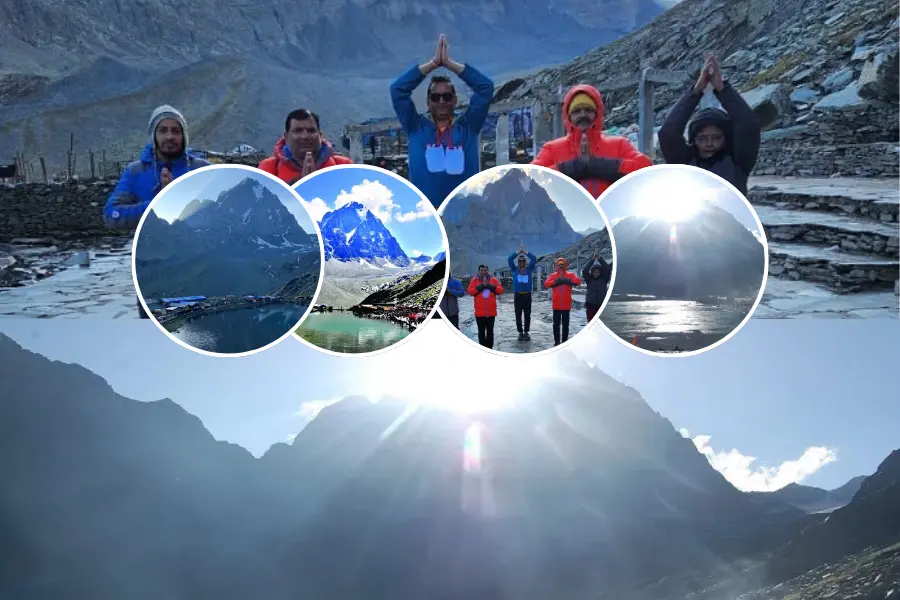
During Manimahesh Yatra, those who are interested in Himachal trek photography can take good pictures. Pictures of landscapes, mountains, meadows, and religious rituals. To capture a good picture of Manimahesh, a lightweight tripod and a camera with a wide-angle lens are essential.
Some Manimahesh photography tips are mentioned here.
-
Capture pictures in the early morning and late afternoon.
-
Reflection images in the Lake can give beautiful photos of Kailash Peak.
-
Pictures of wide areas and landscapes can make magic.
-
Keep an eye on wildlife animals during the journey.
-
The culture and rituals of the region.
-
Sunset and sunrises.
Adventure Tourism Around Manimahesh
The Manimahesh adventure is famous for its trekking. There are other trekking places near the Manimahesh adventure region. The famous Himachal trekking trails listed below come under Manimahesh adventure tourism.
-
Indrahar Pass Trek
-
Kareri Lake Trek
-
Chandratal Trek
-
Beas Kund Trek
Local Cuisine In Bharmour And Hadsar
The pilgrim's trekking starts from Bharmour. Before starting the trek, they stay at Bharmour to acclimate and explore Bharmour's local food. And there will also be a stay at Hadsar. After exploring Bharmour's local food, pilgrims try the local food here, too. The culture of a region is shown through their food. Here is the list of Bharmour's local food in the Hadsar region.
-
Dham
-
Madra
-
Siddu
-
Bhey
-
Khatta Kaddu
-
Kullu Trout
-
Chana Gosht
-
Aloo Palda
-
Patande
Sustainable Tourism To Manimahesh
For a pilgrim, the important factor for others seeking spirituality is to protect nature. The God and Goddess are related to nature. So, protecting the environment is part of sustainable tourism to Manimahesh. Understanding the culture of the travelling region makes the journey informative. To help the people there for their sustainability and make the journey colourful. Here are the tips for sustainable tourism in Manimahesh.
-
Encourage the disposal of waste in waste bins.
-
Make travel eco-friendly.
-
Use reusable products.
-
Know about the community and do activities with them.
-
For guiding services, use local support.
-
Avoid things that are harmful to the environment.
-
Use public transportation.
-
Support local businesses.
-
Avoid pollution and anything that damages nature.
-
Share sustainable ideas with others.
Nearby Attractions: Exploring Himachal's Treasures
The pilgrims who come to Manimahesh Kailash Yatra also try to explore other accessible areas. Especially Bharmour sightseeing, Hadsar, and Chamba. During trekking, they stay in these regions to rest. During these times, they like to wander through the regions to see Himachal's hidden gems. The nearby Manimahesh attractions to explore:
-
Nurpur
-
Hadsar Waterfall
-
Thala waterfall
-
Sui Mata Temple
-
Vajreshwari Temple
-
Hari Rai Temple
-
Chaurasi Temple
-
Bharmani Mata Temple
-
Gauri Kund and Shiva Kund
-
Manimahesh Kailash Peak
Sacred Peaks: Manimahesh Kailash And Beyond
Manimahesh Kailash is one of the five Kailash. These five Kailash or sacred peaks in Himachal are known as 'Panch Kailash'. In chronological order, Manimahesh Kailash is the fifth sacred peaks in Himachal. These five sacred peaks in Himachal are the abodes of Lord Shiva. The other peaks are:
-
Kailash Mansarovar: Located in Tibet
-
Adi Kailash: Located in Uttarakhand
-
Shrikhand Mahadev: Located in Kullu, Himachal Pradesh
-
Kinnaur Kailash: Located in Himachal Pradesh
Stories From Pilgrims: Manimahesh Experiences
My First Spiritual Spiritual Trekking To a Beautiful Manimahesh. This is a personal experience of Manimahesh trekking and Kailash trek tales. The writer goes to Manimahesh for spiritual reasons. Even though the trek was difficult for him, he completed it with spiritual motivation. ManiMahesh Yatra is also one of the Kailash trek tales that write like a diary. A detailed view of Manimahesh Kailash Yatra can be found here. There are many Kailash trek tales from pilgrims that motivate others to travel.
Budgeting For Manimahesh Yatra
Here are the ways to make affordable Kailash travel
-
Travel during off-season.
-
Low-budget accommodations.
-
Use shared accommodations for more affordable Kailash travel.
-
If possible, prepare your own food.
-
Eat local foods rather than luxury foods.
-
Use cheaper travel routes.
-
Use local people for guide services.
-
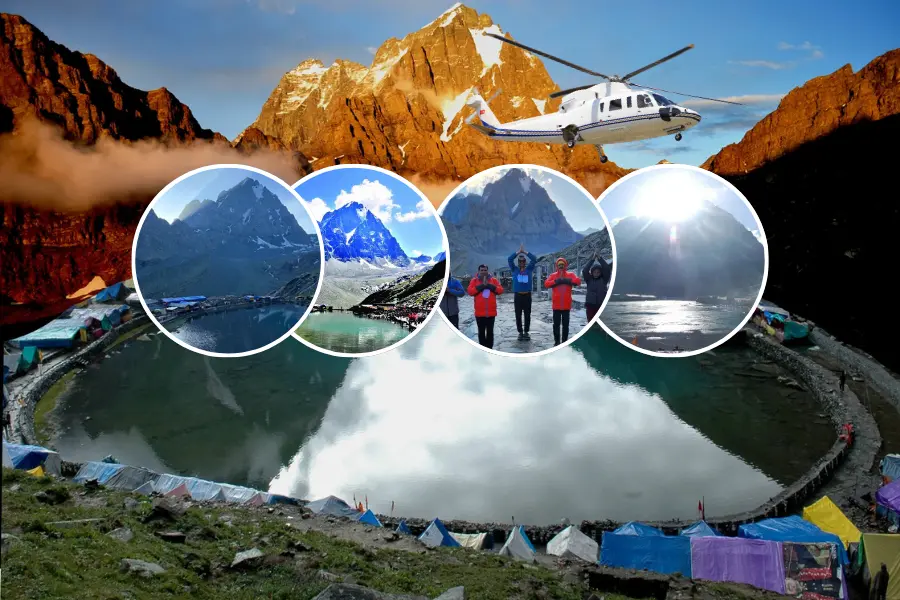
Helicopter services are expensive compared to trekking. However, pilgrims who have walking issues can use helicopters.
-
A permit is needed for trekking. It is better to take before reaching Bharmour for affordable Kailash travel.
Offbeat Paths To Manimahesh Lake
The most popular route for Manimahesh Yatra is through Chamba. Two other Offbeat Manimahesh treks have been explored less. These offbeat Manimahesh treks are very difficult, so people avoid these paths.
-
Route from Lahaul to Spiti through Kugti Pass.
-
From Kangrav to Mandi through Kawarsi or Jalsu Pass.
FAQs
Is a permit needed for Manimahesh Kailash Yatra?
Yes, registration is needed for the Manimahesh Yatra. This registration can be done online. It is better to register before reaching out to Bharmour for Himachal Yatra's help. Also, a printout of the registration should be carried out. The registration fee is between ₹100-₹500 per person.
What is the best time for Manimahesh Kailash Yatra?
The best time for the Manimahesh Kailash Yatra is from May to October. According to Hindu months, travel starts from Krishna Janmashtami to Radha Ashtami. From June to August, trekking will be difficult because of rainfall. During winter, travel is promoted due to heavy snowfall. The mild climate in September and October will be a Himachal Yatra's help for travellers.
What preparation is needed for the Manimahesh Yatra?
For preparation, packing of esse
Getting initial gear and focusing on physical fitness are important. Prior registration is needed. Medical checkups and consultations with a doctor before the journey will be Himachal Yatra's help for safety.