
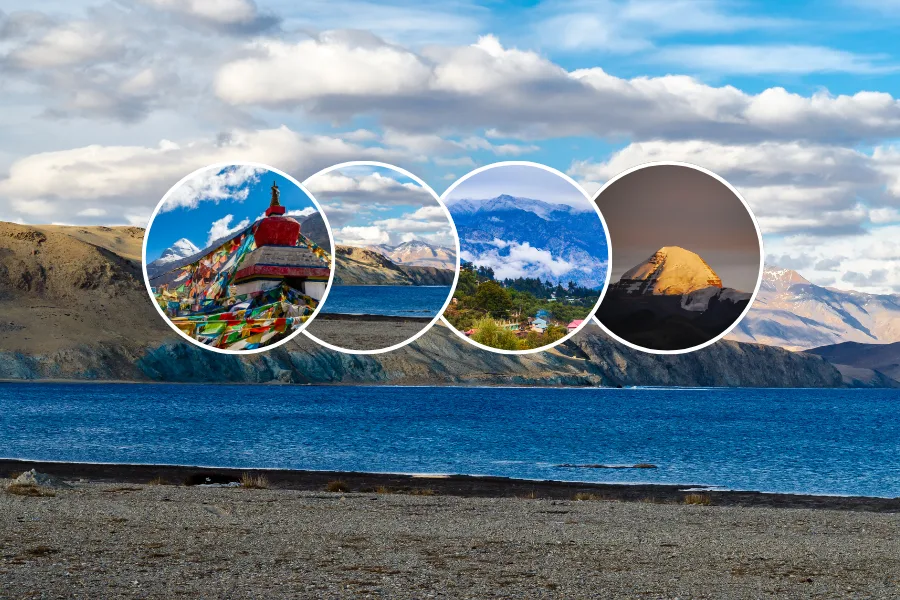
 9 Nights / 10 Days
Kailash Mansarovar Yatra
Tranding Kailash Mansarovar Yatra Packages
9 Nights / 10 Days
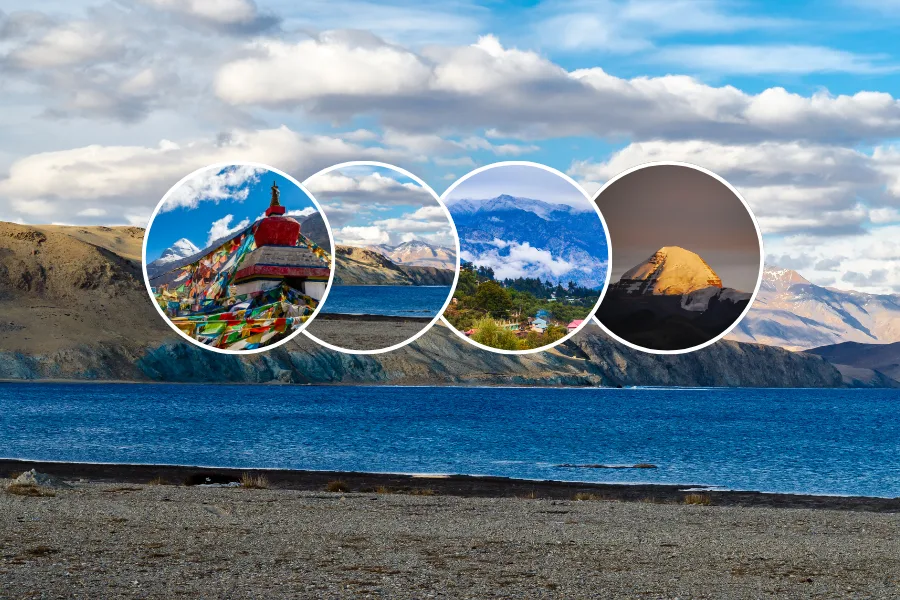 13 Nights / 14 Days
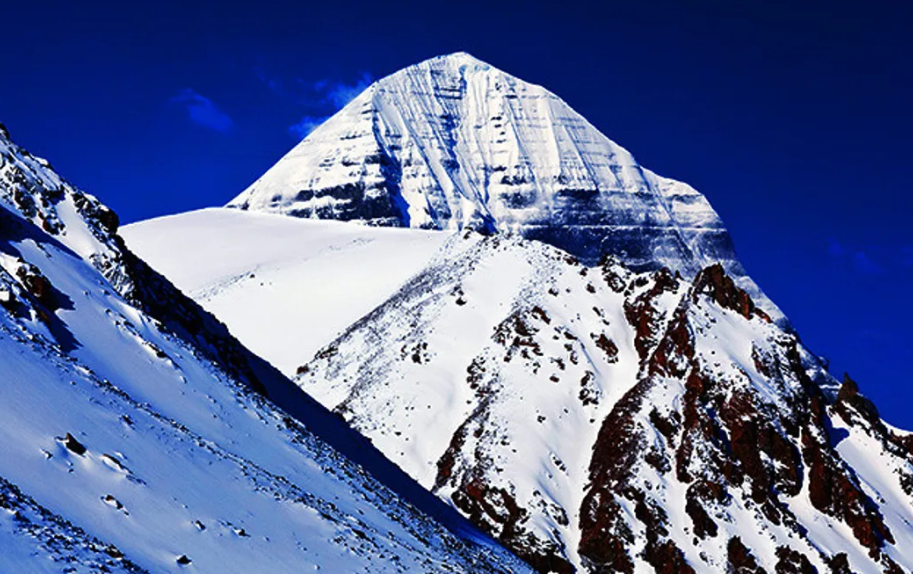 9 Nights / 10 Dasy
Kailash Mansarovar Yatra
So many sacred pilgrimages in India, but the power and beauty of the Kailash Mansarovar Yatra are unmatched. Located in the remote region of Tibet, Mount Kailash and Lake Mansarovar are important spiritual sites for Hinduism. The breathtaking views of the Kailash Parbat and Lake Mansarovar attract adventurers from all over the world. The Kailash Mansarovar Yatra is a transformative journey that has positively impacted the lives of pilgrims. The profound spiritual energy felt by the devotees attracts many pilgrims annually.
The journey to Kailash Mansarovar is not just a test of physical endurance but of mental strength. The high-altitude and rough-terrain trek is not for the faint-hearted. Once you complete the trek and reach the site, the breathtaking view is mesmerizing. Mount Kailash and Lake Mansarovar are important for many religions and are worshipped in different forms.
Mythological and Spiritual Importance of Mount Kailash
The mighty Mount Kailash has mythologica...
So many sacred pilgrimages in India, but the power and beauty of the Kailash Mansarovar Yatra are unmatched. Located in the remote region of Tibet, Mount Kailash and Lake Mansarovar are important spiritual sites for Hinduism. The breathtaking views of the Kailash Parbat and Lake Mansarovar attract adventurers from all over the world. The Kailash Mansarovar Yatra is a transformative journey that has positively impacted the lives of pilgrims. The profound spiritual energy felt by the devotees attracts many pilgrims annually.
The journey to Kailash Mansarovar is not just a test of physical endurance but of mental strength. The high-altitude and rough-terrain trek is not for the faint-hearted. Once you complete the trek and reach the site, the breathtaking view is mesmerizing. Mount Kailash and Lake Mansarovar are important for many religions and are worshipped in different forms.
Mythological and Spiritual Importance of Mount Kailash
The mighty Mount Kailash has mythological and spiritual significance for many religions. The four faiths associated with the site have distinct spiritual beliefs, but their essence is the same. Hindus, Buddhists, Jains and Bon followers are the four major faiths that believe in the power of Mount Kailash.
In Hinduism, Mount Kailash is the home of Lord Shiva. He resides here and performs meditation. Buddhists consider it the home of Demchok. Devotees find peace and enlightenment after visiting Him. For Jains, it is the sacred site where their first Tirthankara, Rishabhadeva, attained liberation. Followers of the Bon religion see it as the spiritual center of the universe. The mountain is a source of divine energy, and performing its circumambulation (Kora) is thought to cleanse sins and lead devotees closer to spiritual liberation and inner peace.
The Sacred Mansarovar Lake: A Divine Experience
Lake Mansarovar is an important spiritual site for devotees in India. It is present near Mount Kailash in Tibet. It is one of the highest and holiest freshwater lakes in the world. In Hindu mythology, Lord Brahma created this lake for the people. One who bathes in it cleanses his soul and sins. Buddhists meditate on its shores, believing it to be a source of enlightenment. The lake water is so clean, just like a crystal, that the mountain peaks are visible through reflection. Visiting Mansarovar is considered a divine experience, offering peace, introspection, and a connection to the Lord.
Kailash Mansarovar Yatra Routes Explained
Due to the tough location of the Kailash Mansarovar, there are two ways to complete this pilgrimage. One of the main routes is through India, and the other is through Nepal. The Indian government-organized routes include the Lipulekh Pass in Uttarakhand, involving trekking, and the Nathu La Pass in Sikkim, which offers easier road access. Alternatively, the Nepal route via Kathmandu involves flying to Simikot, then reaching Tibet through Hilsa, followed by a road journey to Kailash and Mansarovar. The Nepal route is popular for being shorter and offering helicopter services. Each route offers unique challenges and views, allowing pilgrims to choose based on their fitness, time, and spiritual preferences.
Best Time to Visit Kailash Mansarovar
The best time to visit Kailash Mansarovar is during the summer months, from May to September. The weather conditions are relatively stable, and the routes are accessible during this period. June to August is considered ideal, offering moderate temperatures and clearer skies for the pilgrimage. During this period, snowmelt ensures open mountain passes. The Lake Mansarovar is unfrozen at this time, allowing for ritual bathing.
However, it may rain in some parts of this region. Some areas in higher altitudes are cold. Pilgrims should avoid winter months, as the weather is extremely cold. It is very difficult to cross the terrain during this extreme weather, and the journey becomes dangerous and uncomfortable.
A Day on the Kailash Mansarovar Yatra: What to Expect
A trek for Kailash Mansarovar Yatra usually begins before sunrise. People start the trek with a light meal because they have to cover a long distance. Pilgrims can travel by vehicle or on foot, depending on the route conditions. The journey includes breathtaking views of snow-capped peaks and peaceful nature. The pilgrims get moments of quiet reflection in the calm environment. Meals are simple, usually vegetarian, and accommodation ranges from basic guesthouses to tents. Pilgrims take stops in between and dedicate the time to remember the name of the Lord. Travellers share their stories and prayers that make the sacred journey unforgettable.
Parikrama Around Mount Kailash
The Parikrama around Mount Kailash, also known as the Kora, is powerful. The Parikrama is one of the most spiritually significant aspects of the Kailash Mansarovar Yatra. This sacred circumambulation is approximately 52 kilometres long and typically takes three days to trek. The trek begins at Darchen, the base camp, and follows a clockwise path for Hindus and Buddhists, while Jains and Bon followers walk counterclockwise.
The parikrama path is tough for the pilgrims due to challenging terrain, glacial streams and high altitude. The willpower of pilgrims to complete the Parikrama makes them forget about the difficulty. The most difficult segment is the ascent over the Dolma La Pass. Despite the physical demands, pilgrims are driven by deep faith. It is believed that completing a single Parikrama cleanses one of all sins, and performing 108 Parikramas grants ultimate liberation or moksha.
Along the route, there are spiritual sites such as Dirapuk and Zuthulpuk Monasteries. Pilgrims stop by to offer moments for prayer and reflection. The Parikrama is not merely a trek but a journey offering pilgrims an opportunity to connect deeply with the divine. Pilgrims find inner transformation in the Himalayan beauty of Mount Kailash and Lake Mansarovar.
Preparing for Kailash Mansarovar Yatra: A Checklist
Preparing for the Kailash Mansarovar Yatra requires careful planning. Key checklist items include a valid passport, a Chinese visa, and a medical fitness certificate. Pack warm clothing, trekking shoes, rain gear, sunscreen, personal medications, and a basic first-aid kit. Practicing light trekking to build stamina is a must. Carry essentials like a water bottle, snacks, and toiletries. Ensure you have cash in local currency, as ATMs are scarce. Mental preparedness is equally essential for this demanding pilgrimage.
Visa and Permits for Kailash Mansarovar Yatra
Getting the necessary visas and permits is essential to go on the Kailash Mansarovar Yatra. There are mainly two types of visas and an additional permit for Kailash Mansarovar Yatra.
A Chinese Group Tourist Visa is required by the Indian pilgrims. This can be applied only through a licensed tour operator. An individual application cannot be accepted. This visa is processed in a group and is valid only for some duration. Even if you have a valid Chinese visa, a new group visa is required for this journey. The other one is a Tibet Travel Permit that is mandatory to enter Tibet. The permit is required to visit the restricted areas of Mount Kailash and Lake Mansarovar. A registered tour operator can help you get one.
To go on specific routes and visit some specific areas, the additional permits are the Alien’s Travel Permit, Military Permit, and Foreign Affairs Permit. These are typically arranged by the tour operator.
Cultural Insights: Festivals at Mount Kailash
Mount Kailash is the land of culture and celebration. It is a sacred peak for the Hindus, Buddhists, Jains, and Bon followers. People of this land celebrate festivals with great enthusiasm. Saga Dawa is one of the important festivals, among many festivals celebrated in this region. It is celebrated to mark the birth, enlightenment, and death of Lord Buddha. It is a significant spiritual time for devotees. Apart from Saga Dawa, locals celebrate other festivals with traditional prayer, songs and dance. It is a beautiful sight to watch and offers cultural vibrancy.
Accommodation Options on Kailash Mansarovar Yatra
Accommodation options during the Kailash Mansarovar Yatra are limited. The spiritual journey is difficult, and so is staying in the region. Providing basic amenities in remote and high-altitude regions is a tough task. Accommodation options like guesthouses, lodges and camps are available. Facilities provided are minimal, with shared rooms and limited supplies.
Some other options available are the monastery guesthouses. These guest houses are simple but offer a spiritual ambience. The Yatras organized by the Indian Government provide basic accommodation arrangements. The private operators manage the lodging for their groups. Pilgrims are advised to carry sleeping bags and essential toiletries, due to the limited supply of amenities.
Travel Tips for Seniors and Families on Kailash Mansarovar
Kailash Mansarovar Yatra is a difficult trek for seniors and families. They should be well prepared to ensure a smooth and effortless journey. The first thing to do is to consult a doctor and see if the person is ready to go to a high altitude. Choose to travel in the right season, especially between May and September, as the weather is pleasant during this period. Some tips to include are packing warm clothes and carrying comfortable shoes. Essential medicines are a must-carry thing.
Families and elders can go by helicopter to make the journey easier and less stressful.
Keep a water bottle and stay hydrated to avoid any sickness. Take proper rest whenever required. These tips can make the spiritual journey easy and comfortable.
The Adventure of a Lifetime: Trekking to Mount Kailash
To experience an adventure of a lifetime, plan a trek to Mount Kailash. It is a spiritual awakening journey that stays in the minds of the pilgrims for a lifetime. Located in the remote area of Tibet, Mount Kailash is a true beauty. People have climbed other peaks similar to the height of Mount Kailash, but this peak has remained undiscovered. The trek around the mountain is long and tiring. Driven by faith, pilgrims and trekkers complete their trek to attain liberation. This spiritual journey is unforgettable and transformative.
Health and Acclimatization Tips for Kailash Mansarovar Yatra
Kailash Mansarovar Yatra is a difficult pilgrimage due to the high altitudes and challenging terrain. Health and acclimatization are two essential things to be taken care of when going on the journey. Physical preparation a month in advance is very crucial. Adventurers and pilgrims should perform cardio, strength training and breathing exercises daily. Acclimatize gradually by spending a few days at intermediate altitudes before the trek.
Other tips to keep in mind are to stay hydrated, eat light, and avoid alcohol or smoking. Carry essential medicines, including those for altitude sickness. Consult a doctor before departure. Dress in layers to manage extreme temperature changes. Listen to your body and rest if dizzy or breathless. A proper preparation will lead to a peaceful journey.
Sustainability and Eco-Friendly Practices
A surge in tourism has been seen in the last few years, especially in spiritual places. Places like Kailash Parbat and Lake Mansarovar are clean and pure, as untouched sites. To maintain the sanctity of such places, it is essential to follow some eco-friendly practices. These eco-friendly practices are small gestures that can help maintain the beauty of such places. Practices like avoiding single-use plastics and carrying reusable water bottles are easy to follow. People should also dispose of waste properly and not litter. Travelling mindfully ensures that pilgrimage sites remain clean and sacred for future generations.
Photography Guide for Kailash Mansarovar Yatra
Kailash Mansarovar Yatra offers opportunities to capture the beauty of the mighty Mount Kailash and sacred Lake Manasarovar. A DSLR or a good camera smartphone will help you take the best shots in the tough terrain of Mount Kailash. The two best times to take photographs are the early morning and late afternoon. Nature provides the best lighting to take beautiful shots. You can take candid shots of the pilgrims or the locals, but get their permission before doing it. Carry extra batteries and memory cards, as there is an interruption of electricity now and then. These tips will help you take that perfect shot.
Exploring the Surroundings of Mount Kailash
There is a lot to explore around Mount Kailash, which has experienced less footfall and retains its natural beauty. The landscape is rich and has many unexplored natural wonders. Ancient monasteries like Chiu and Dirapuk offer a serene environment. Rakshastal is another beautiful site to visit near Mount Kailash. The mesmerizing snow-capped peaks add a backdrop to everything around. Some sacred sites like Yam Dwar and Gauri Kund are a must-visit.
Sacred Sites Near Mansarovar
Some powerful sacred sites near Mansarovar are Rakshastal and Gauri Kund. Rakshastal is linked to the demon king Ravana and symbolizes contrast to Mansarovar’s purity. Another site, Gauri Kund, also called the “Lake of Compassion,” is the site where Goddess Parvati bathed. Another sacred site is Yam Dwar, the “Gateway of the God of Death,” which marks the starting point of the Kailash Kora. Each site enriches the pilgrimage and offers a great experience to the pilgrims.
International Pilgrims’ Guide to Kailash Mansarovar
The Kailash Mansarovar Yatra attracts pilgrims from all over the world. These international pilgrims seek a spiritual and adventurous experience. To have this unique experience, these international pilgrims must have a special permit. This special permit is granted through the Chinese government. Travel is usually via Nepal, with routes involving flights and overland treks.
Some tips to make the pilgrimage easy are to pack warm clothing, sturdy footwear, and essential medicines. Despite the challenges, the journey offers a chance to connect with ancient traditions.
Stories of Transformation from Kailash Mansarovar
The transformation stories of the pilgrims are heartwarming. The devotees of Kailash Mansarovar share their experiences during the pilgrimage. Their faith and bond with their Lord strengthened after their pilgrimage. These pilgrims share their heartfelt stories about the powerful energy they felt during the Parikrama. It brought peace and transformation to their lives. Many devotees shared about the miracle they experienced after the pilgrimage. These stories have built a bond between the devotees and the Lord.
Kailash Mansarovar Yatra for Adventure Enthusiasts
Kailash Mansarovar Yatra is a challenging trek for adventure enthusiasts. It is a blend of physical challenge and spiritual depth. The trek around Mount Kailash, known as the Kora, is approximately 52 kilometres. The adventurers get to trek at an altitude above 5,600 meters. It tests the endurance and resilience of the trekkers. The weather is unpredictable in this difficult terrain, which adds to the difficulty for the trekkers. The willpower of the trekkers is tested, and the peace they experience after completing it is unmatched. The thrilling experience of the trekkers is rewarding to them.
Technology Meets Pilgrimage: Virtual Kailash Mansarovar Yatra
Technology has evolved a lot over time, and the virtual experience of Kailash Mansarovar Yatra is an example. Many devotees who are unable to go on the physical journey can take a virtual tour of Mount Kailash and Lake Mansarovar. These virtual tours involve high-quality video that takes the devotee on the complete Yatra. Devotees can explore sacred sites like Mount Kailash, Lake Mansarovar, and Yam Dwar from home. These guided virtual tours provide the historical and religious context of the site. While it cannot replace the physical trek, it is a fabulous option for those who cannot go for an actual trek.
Food During Kailash Mansarovar Yatra
It is essential to take care of the food intake during the difficult Kailash Mansarovar Yatra. Since digestion at higher altitudes is affected and slows down, we should be aware of what we eat. The food we get here is simple and light. It is vegetarian due to the religious sentiments of the people. Carry light and fulfilling snacks that will help you with the hunger pangs. Stay hydrated to keep yourself active during the trek. Due to harsh conditions, it is not possible to get luxurious food. Try to eat clean and healthy meals and avoid junk.
Packing Light for Kailash Mansarovar Yatra
Smart packing tips are essential while going on the Kailash Mansarovar Yatra. Pack light and carry the necessary stuff while planning a trek on tough terrain and high altitude. Your priority should be to take waterproof jackets, layered thermal wear, trekking gear and good trekking boots. Essentials like a sleeping bag, basic toiletries, high-energy snacks, a reusable water bottle, and personal medications should not be missed. Overpacking should be avoided in all cases, as it will make the trek tough. Smart packing ensures that you enjoy every bit of the trek and focus on the spiritual journey.
FAQ: Kailash Mansarovar Yatra
Many questions arise in the minds of pilgrims before embarking on this journey. Some common frequently asked questions are:
Q1.Who can go to Kailash Mansarovar Yatra?
It is best for healthy individuals aged 18–70 with medical clearance.
Q2.How to apply for travel?
Authorized travel agencies or government programs can help with all the essential visas and documents required for the travel.
Q3.What is the best time to visit?
Weather conditions from May to September are relatively stable, making it the best time to travel.
Q4. How to deal with altitude sickness?
Proper hydration, gradual acclimatization, and medication help to prevent it.
Q5. Are permits required?
Yes, permits are mandatory. Chinese travel permits and some region permissions are a must.
Q6.Is the trek difficult?
Yes, it requires physical fitness and mental endurance. Proper preparation and guidance make the journey safer and more fulfilling.